Root Canals: What to Expect (It's Easier Than You Think)
The root canal's scary reputation is decades out of date. Modern root canal therapy feels like getting a filling, and it's the treatment that saves your tooth.
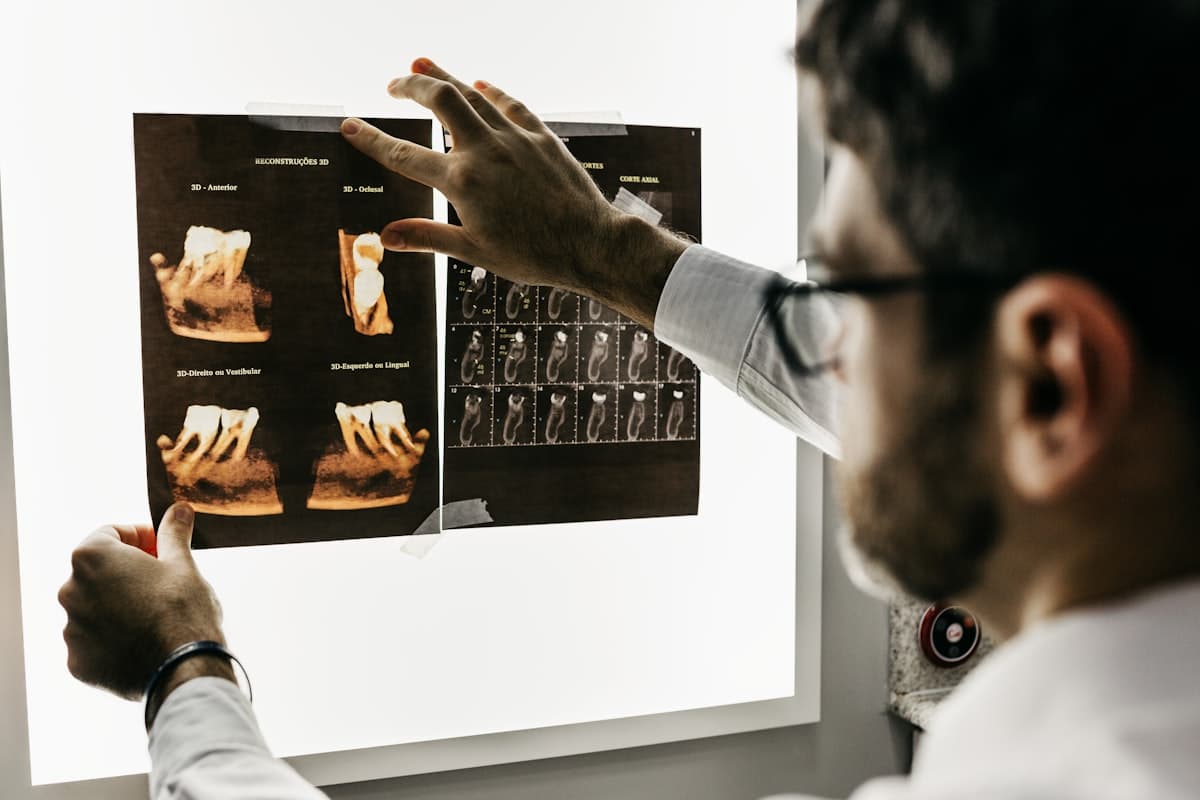
Few phrases in healthcare carry more unearned dread than root canal. Patients arrive braced for the worst, then leave surprised that it felt like a long filling. Root canal therapy is one of the most common treatments we perform at our Queens Village practice, and it exists for one reason: to save your natural tooth.
Why a tooth needs a root canal
Inside every tooth is a small chamber of soft tissue, the pulp, containing nerves and blood vessels. When deep decay, a crack, or trauma lets bacteria reach the pulp, it becomes inflamed and infected. That's the throbbing, temperature-sensitive, keeps-you-up-at-night toothache. Left untreated, the infection spreads to the bone around the root and can become an abscess.
At that point there are only two honest options: remove the infected tissue and seal the tooth (a root canal), or remove the tooth entirely. Keeping your own tooth is almost always the better outcome.
What the procedure actually feels like
- Numbing. Modern local anesthetics are extremely effective. You'll feel pressure and movement, not pain. Most patients tell us this part is no different from a filling.
- Cleaning. Through a small opening, the infected pulp is removed and the canals inside the root are cleaned, disinfected, and shaped. This is meticulous work, and it's most of the appointment.
- Sealing. The canals are filled with a rubber-like material called gutta-percha and sealed against reinfection.
- Restoring. Most back teeth receive a crown afterward to protect the now-hollow tooth from cracking under chewing force.
The appointment typically takes 60 to 90 minutes. Many patients go back to work the same day.
"But I heard root canals hurt"
The pain people associate with root canals is almost always the toothache before treatment: the infection itself. The procedure is what makes the pain stop. Post-treatment soreness is usually mild and managed with over-the-counter ibuprofen for a day or two.
Don't wait on a toothache
An infected pulp never heals on its own. The earlier you come in, the simpler the treatment. Sometimes early decay can be handled with a filling and no root canal at all. Persistent sensitivity to heat, pain when biting, or a pimple-like bump on the gums are all signs to get checked promptly.
Have a tooth that's been bothering you? Book a visit or call (718) 464-5959. We keep room in the schedule for urgent cases.
Ready to put this into practice?
Same-week appointments · (718) 464-5959